Choosing between peace of mind and legal testing
The first decision is not scientific, it is practical. A peace of mind paternity test is meant for private knowledge. Samples can often be collected without a witness, and the result is for you alone. It answers the question for your household but is generally not meant for a courtroom, a child support office, or a birth certificate change.
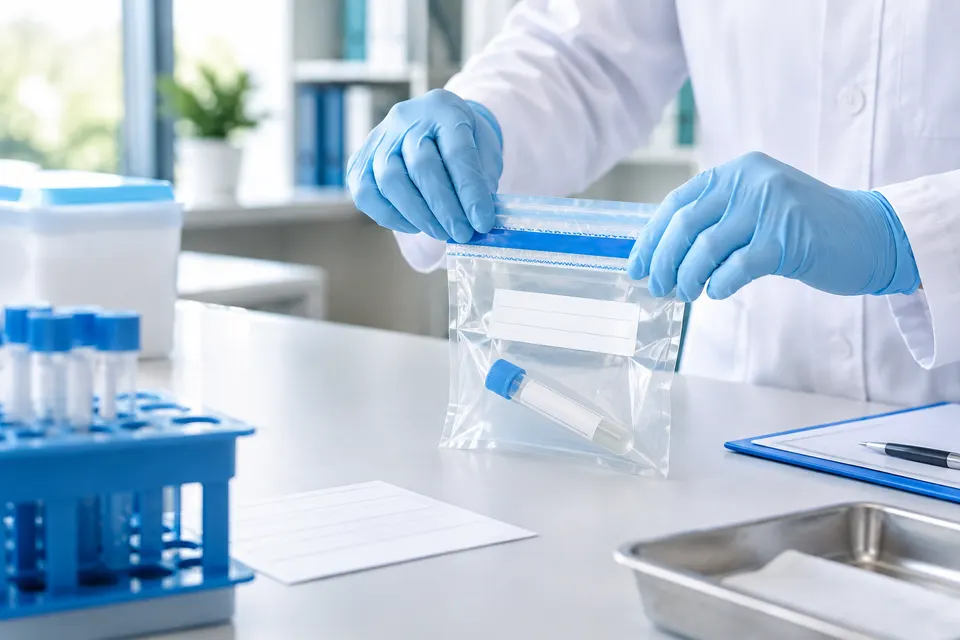
A legal paternity test follows a documented collection process. Identities are confirmed, samples are collected by a neutral person, and every handoff is recorded. That documentation is what allows a result to be presented to a court, an attorney, or a government office. If there is any chance you will need the result officially, it is usually wiser to begin with the legal route rather than repeat the test later.

What the test compares
A child inherits half of their DNA from each biological parent. Paternity testing looks at a set of genetic markers in the child and in the alleged father and checks whether the father could have contributed the child's paternal half. Including the mother's sample, when she is willing, often makes the comparison cleaner because her contribution can be set aside first.
Most tests use a gentle cheek swab. No needles are needed for the child, the father, or the mother, which matters when a little one is involved.
- Peace of mind testing for private family answers
- Legal testing with documented collection for official use
- Prenatal options during pregnancy through a blood draw from the mother
- Coordination for relatives when an alleged father is unavailable
Questions to settle before you begin
Think about who needs to participate and whether every adult has agreed. Consider who is legally able to consent for the child. Decide where the result will go and who should receive it. These three answers shape almost everything about which test makes sense, and talking them through first prevents surprises.
How DNA Paternity Testing works, step by step
- 01
Talk it through
Share what you need the result for so the right type of test can be identified.
- 02
Arrange collection
Participants provide cheek swabs, with documented collection when the result is for legal use.
- 03
Laboratory analysis
Samples are compared at genetic markers that show whether a biological relationship is supported.
- 04
Receive the report
Results go to the people agreed upon at the start, in the format suited to your purpose.
Questions about DNA Paternity Testing
Can a peace of mind result be upgraded to a legal one later?
Usually not. Legal results depend on how the samples were collected from the start, so a private test would typically need to be repeated under documented conditions.
Does the mother have to take part?
Not always. Her sample can strengthen the comparison, but many tests are completed with only the child and the alleged father.